New ₦70,000 Minimum Wage Takes Effect Nationwide
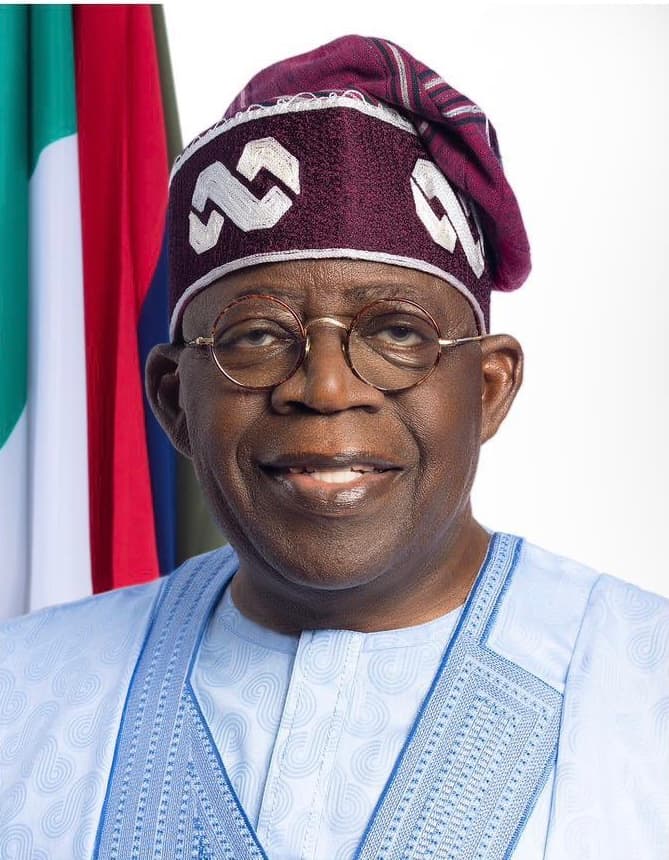
In September 2024, President Tinubu signed into law a new national minimum wage of ₦70,000 — more than double the previous ₦30,000 benchmark set in 2019, and the single largest minimum wage increase in Nigeria's history.
The new wage followed months of negotiation between the Federal Government, organised labour (NLC and TUC), and the private sector, arriving after the removal of the fuel subsidy had significantly raised the cost of living for workers nationwide.
State governments were directed to domesticate the new wage for their own workforces, with the Federal Government committing to support states with revenue constraints in meeting the new benchmark.
The administration has pointed to the wage increase as one of several deliberate steps — alongside targeted palliatives, the CNG conversion initiative, and expanded social investment programmes — to cushion the short-term pain of its broader economic reform agenda while the long-term gains take hold.